Column · @powerreadyliving
When does an electrical panel need replacement?
An electrical panel needs replacement when corrosion or heat damage compromises its safety or capacity. These problems are not always visible at a glance, but they create real risks: arcing, intermittent power loss, or a panel that cannot handle the load your home or business requires. A qualified electrician can assess the panel and determine whether repair is possible or replacement is the safer route.
How corrosion damages a panel
Corrosion is often the result of moisture entering the panel enclosure. This can happen in a basement that floods occasionally, in a garage near a damp wall, or in an outdoor panel that lacks a proper weatherproof seal. Over time, moisture attacks the metal components inside: the bus bars, the breaker contacts, and the terminal connections. Even a thin layer of corrosion increases electrical resistance at those points. Higher resistance generates heat, and heat accelerates further corrosion. Left unchecked, the connection can become hot enough to melt insulation or cause a short circuit.
Corrosion can be hard to spot because it sometimes hides under a breaker that looks fine from the front. A panel replacement electrician will pull the dead front cover (the metal or plastic shield inside the door) and inspect the bus bars and breaker slots for green or white deposits, pitting, or discolouration. If the corrosion has eaten into the bus bar or damaged the breaker mounting clips, replacing just the affected breaker may not be enough. The corroded bus bar can ruin a new breaker in months. In that case, replacing the entire service panel is the only reliable fix.
Heat damage and its warning signs
Heat damage can come from a loose connection, an overloaded circuit, or a breaker that has aged past its useful life. The first sign is often a warm or hot spot on the panel cover. If you touch the panel and it feels noticeably warmer than the surrounding wall, that is a sign something inside is running too hot. Another sign is a breaker that trips repeatedly for no obvious reason, or one that feels hot to the touch after a normal load. Discolouration around a breaker slot or a melted wire insulation visible inside the panel are more serious indicators.
Heat damage is progressive. A connection that runs hot hardens the metal in the breaker contacts and degrades the spring tension that makes a breaker snap open on overload. After enough cycles of heating and cooling, the breaker may fail to trip when it should, or it may trip too easily. A panel replacement electrician will also check the main breaker and the connections at the meter socket, because heat damage at the service entrance can affect everything downstream. If the bus bars show signs of overheating, the panel enclosure itself may be compromised.
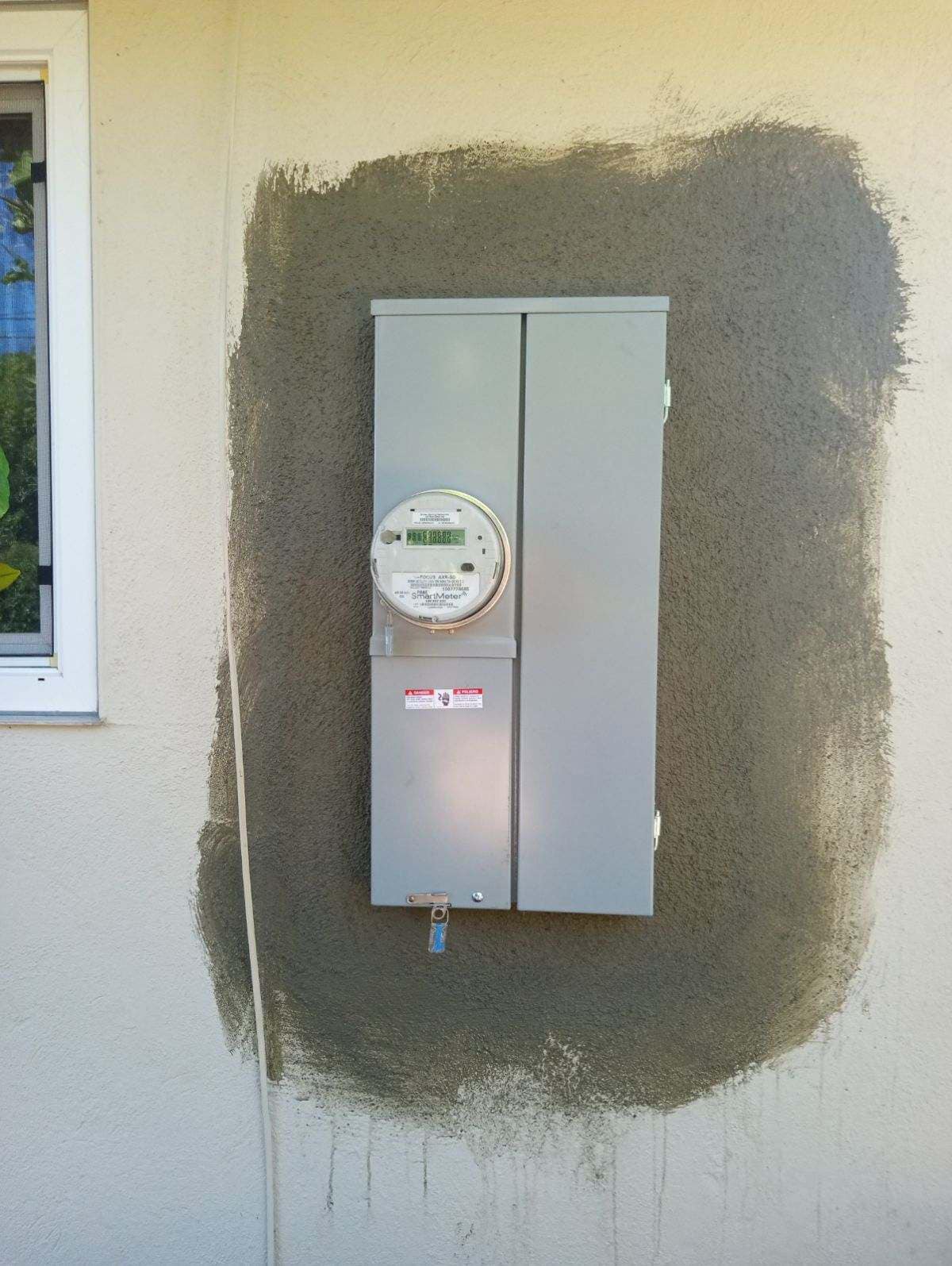
When capacity drives the decision
Sometimes the panel itself is physically sound but cannot supply enough electrical capacity for a modern home or business. Older fuse boxes and small circuit breaker panels were designed for a time when a home had a few lights, a refrigerator, and maybe a washing machine. Today, the same home might have a heat pump, an electric vehicle charger, a home office with computers, and a kitchen full of appliances. If the panel has no empty breaker slots for new circuits, or if the main breaker trips when several large loads run at once, the panel has reached its capacity limit.
Upgrading to a panel with more breaker slots and a higher main breaker rating is a straightforward replacement for a licensed electrician. It does not always require a full service upgrade from the utility, but it does require a load calculation to confirm that the existing service wires and meter can handle the new panel's rating. A panel replacement electrician will perform that calculation and advise on what is feasible for your property.
What a professional inspection covers
A thorough inspection of an electrical panel includes several checks. The electrician will:
- Remove the dead front cover and examine the bus bars for corrosion, pitting, or signs of overheating.
- Check each breaker's connection to the bus bar and look for melted or brittle insulation on the wires.
- Test the main breaker and a sample of branch breakers for correct trip response.
- Verify that the panel enclosure is properly bonded and grounded.
- Look for evidence of moisture entry, such as rust on the enclosure or water stains on the interior surfaces.
If any of these checks reveal significant damage or a safety hazard, the electrician will recommend replacement. A panel that has visible corrosion on the bus bars, heat damage on the main breaker, or water entry that has rusted the enclosure interior should be replaced rather than patched.

Wooding Electric handles panel assessments and replacements for homes and businesses in Santa Clara and nearby Bay Area communities. Their work includes evaluating the condition of existing panels and upgrading them to meet current electrical needs.
Why replacement beats repair in many cases
It is tempting to save money by replacing only the damaged breaker or cleaning the corroded bus bar with a wire brush. But that approach rarely solves the underlying problem. Corrosion that has reached the bus bar will return because the protective plating has been eaten away. A bus bar that has been overheated may have lost its temper and will not hold a new breaker securely. And a panel enclosure that has rusted from the inside may soon develop a ground fault that trips the main breaker unpredictably.
A new panel brings several benefits. Modern panels have a higher short-circuit current rating, which means they can safely interrupt a fault without damage. They also have more space for additional breakers, so future upgrades are easier. And the new bus bars and breakers come with a clean start: no hidden corrosion, no heat-damaged contacts, and no question about the panel's ability to protect your home.
When to call a professional
If you notice any of the signs described here, do not open the panel yourself. The front cover of a service panel is safe to remove only after the main breaker is off, and even then the bus bars and the incoming service conductors remain live. A licensed electrician has the training and tools to work inside a live panel safely. They can also identify problems that are not obvious to an untrained eye, such as a breaker that still resets but has lost its trip calibration.
For property owners in Santa Clara and the surrounding Bay Area, Wooding Electric offers electrical panel assessments, upgrades, and replacements. Their electricians can inspect your panel, explain what they find, and give you a clear recommendation on whether replacement is needed.